
Ceramic Injection Molding (CIM): Comprehensive Technical Review
In-depth review of Ceramic Injection Molding (CIM) — materials (zirconia, alumina, silicon nitride), binder systems & debinding, process parameters, quality control, and defect prevention. Essential reading for engineers and students in advanced ceramics manufacturing.
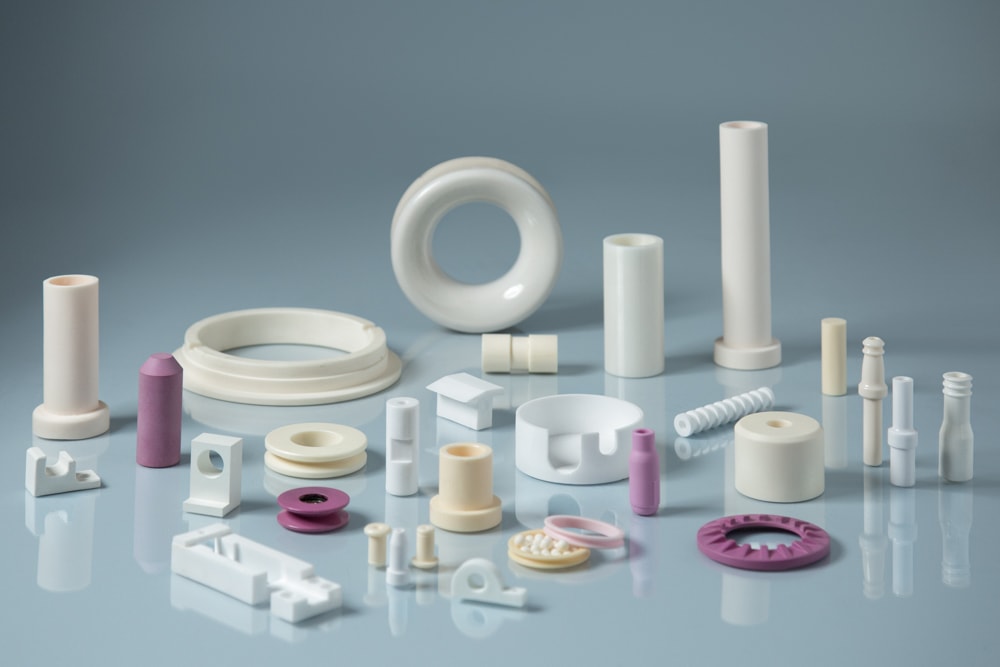
This comprehensive review covers Ceramic Injection Molding (CIM) — from its 1930s origins to modern high-precision manufacturing. CIM combines powder metallurgy with plastic injection molding to produce complex, high-precision ceramic components at scale.

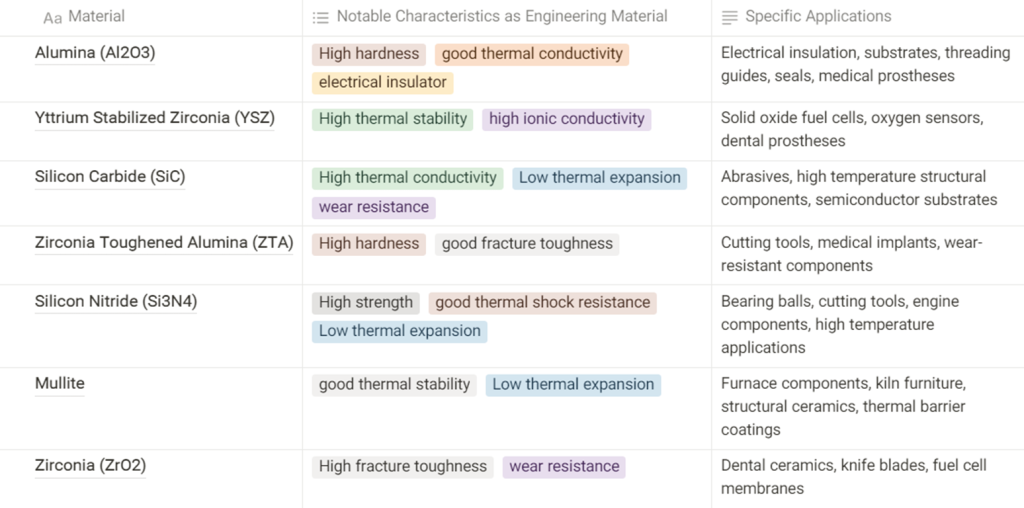
Ceramic Materials for CIM
| Material | Key Properties | Applications |
|---|---|---|
| Zirconia (ZrO₂) | High strength, wear & corrosion resistance | Medical, dental, aerospace |
| Alumina (Al₂O₃) | High temperature resistance, electrical insulation | Electronics, aerospace |
| Silicon Carbide (SiC) | Extreme wear resistance, thermal stability | Wear parts, space components |
| Silicon Nitride (Si₃N₄) | High thermal shock resistance, strength | Gas turbines, automotive |
| Barium Titanate (BaTiO₃) | Piezoelectric properties | Sensors, actuators |
CIM Process Cycle
- Feedstock Preparation — Ceramic powder + binder mixing for uniform, injectable feedstock
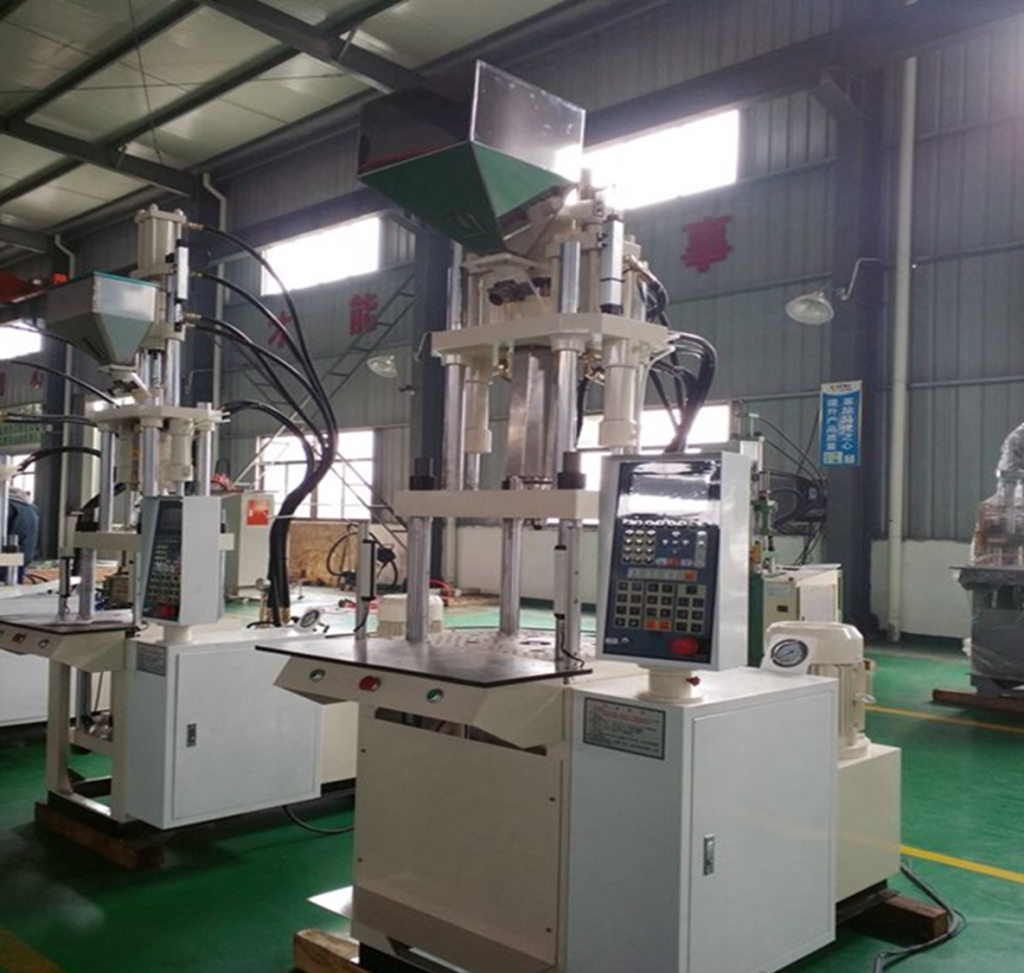
- Injection — Precision molding under controlled temperature, pressure, time
- Debinding — Controlled binder removal (thermal or solvent) without cracking
- Sintering — High-temperature densification to final properties
Binder Systems & Debinding
Binder selection is critical — it must provide green strength, enable injection flow, and remove cleanly. Common systems:
- Thermoplastic binders (wax, polyethylene, polypropylene) — thermal debinding
- Water-soluble binders — solvent debinding
- Multi-component systems — staged debinding for complex parts
Critical debinding parameters: Temperature ramp rate, atmosphere, time — all controlled to prevent defects.
Key Process Parameters
| Parameter | Typical Range | Effect |
|---|---|---|
| Injection temperature | 150–200°C | Flow behavior, filler packing |
| Injection pressure | 50–200 MPa | Filling completeness, density |
| Mold temperature | 30–80°C | Solidification, surface finish |
| Holding pressure/time | 20–50 MPa, 5–20s | Shrinkage compensation |
| Debinding temperature | 300–600°C | Binder removal rate, defect prevention |
| Sintering temperature | 1300–1750°C | Final density, grain size, properties |
Quality Control & Defect Prevention
| Defect | Cause | Prevention |
|---|---|---|
| Cracking | Rapid debinding, thermal stress | Slow ramp rates, controlled atmosphere |
| Distortion | Non-uniform sintering shrinkage | Uniform wall thickness, fixture design |
| Density variation | Inhomogeneous feedstock | Optimized mixing, powder characterization |
| Surface defects | Mold contamination, flow marks | Mold maintenance, optimized gate design |
| Dimensional variation | Shrinkage inconsistency | Statistical process control, SPC |
Why Choose Khat Group for CIM?
- Complete in-house capability — Feedstock to finished part
- Material expertise — Zirconia, alumina, silicon nitride, composites
- Full process control — Injection, debinding, sintering, machining
- Quality systems — SPC, dimensional inspection, material certification
- Design support — DFM review, mold design, simulation
References for Further Study
- Schwartzwalder, K. “Ceramic injection moulding: a review…” (2010)
- German, R.M. “Ceramic Injection Molding” — definitive textbook
- German & Bose “Injection Molding of Metals and Ceramics”
- Liu, D.M. “Injection Molding of Ceramics” J. Eur. Ceram. Soc. (2000)
Khat Group — Your partner for precision CIM components from concept to production. Contact us for technical consultation.
Products in this article
Materials and products related to what you read.
 Advanced Ceramics Featured
 Ceramic Injection Molding Parts (CIM)
High-precision, high-volume complex ceramic components via powder injection molding
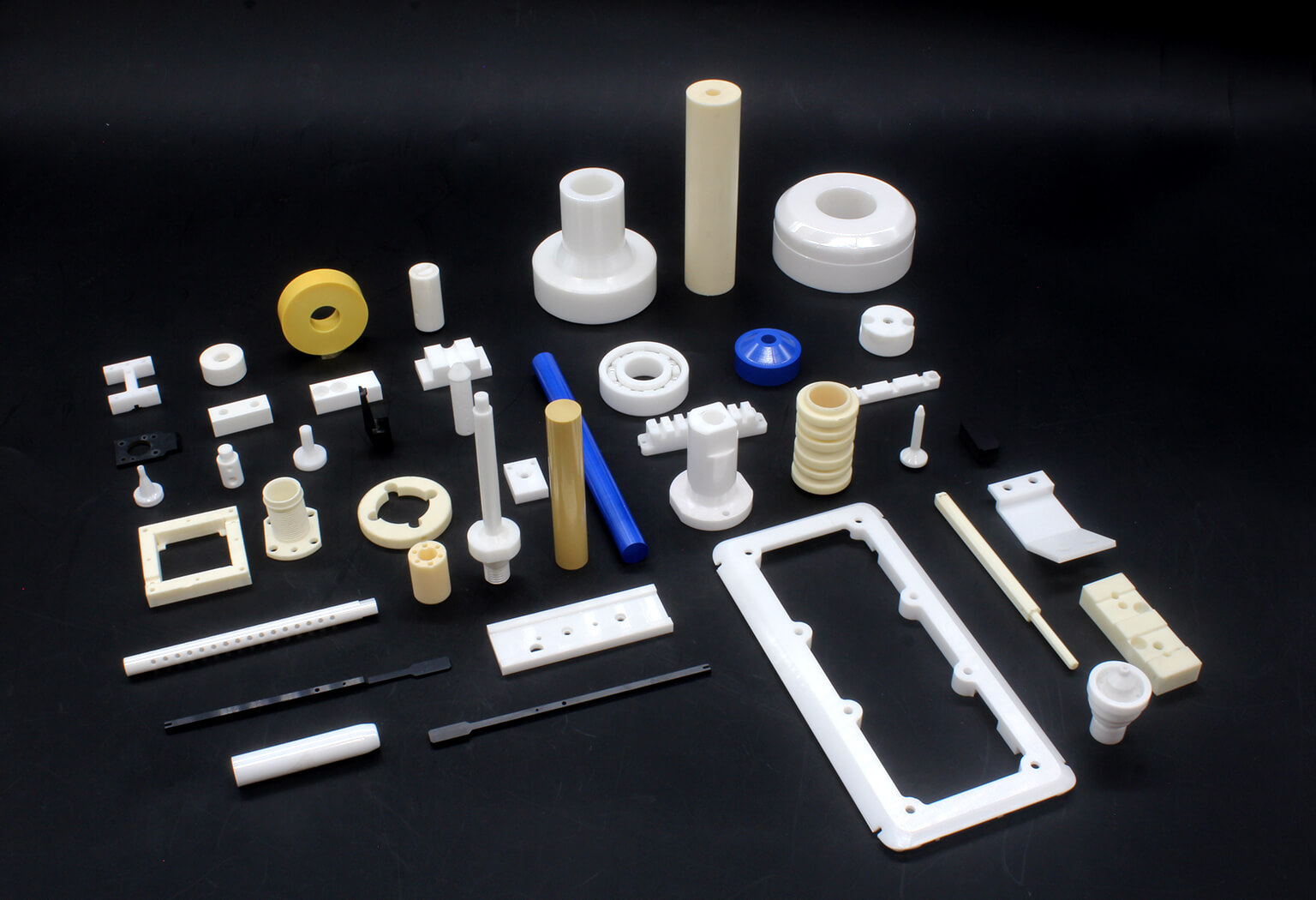
Khat Group has developed Ceramic Injection Molding (CIM) technology for manufacturing complex ceramic parts with intricate geometries, tight dimensional tolerances, and excellent surface finish. This process is ideal for high-volume production of small-to-medium components with superior mechanical and thermal properties.
 Ceramics Featured
 Advanced Ceramic Parts
Engineering and industrial advanced ceramic parts — CIM, pressing, slip casting, brazing, and precision machining
Khat Group manufactures advanced ceramic parts for textile, electronics, medical, aerospace, and mining industries. Technologies include ceramic injection molding (CIM), hydraulic pressing, slip casting, brazing, precision machining, sintering up to 1750°C, CIP, extrusion, hot pressing, and plasma spark (SPS). Materials: alumina, zirconia, and ceramic-ceramic composites.
 Ceramics Featured
 Alpha Alumina (α-Al₂O₃)
High-purity alpha aluminum oxide powder — three purity grades, four particle-size ranges
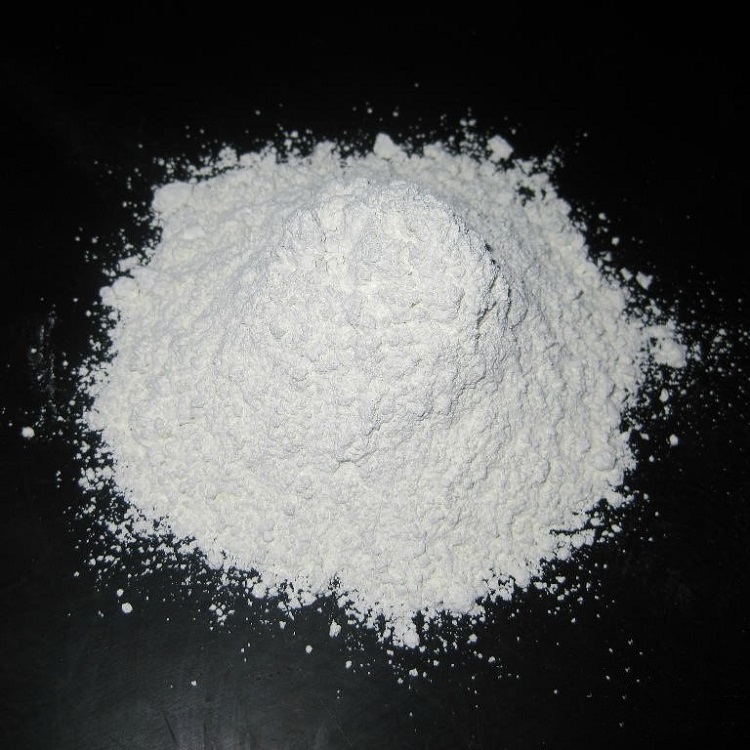
Khat Group supplies alpha aluminum oxide (α-Al₂O₃) powder in three purity grades (≥99.5%, ≥98%, ≥95%) and four particle-size ranges (<80 µm, <20 µm, <5 µm and <1 µm submicron/nano). Alumina is a versatile engineering ceramic used across electronics, machinery, medical, laboratory, high-temperature systems, and ceramic part fabrication. Custom tubes, rods, plates, substrates, insulators and precision-machined components are supported.
Related reading
 Articles
 Alumina (Al₂O₃): Types, Properties & Industrial Applications
Alumina (Al₂O₃) — crystalline forms (α-alumina/corundum, γ, θ, δ, κ, η), properties (hardness 9 Mohs, MP 2050°C, high thermal/electrical insulation), and applications — abrasives, refractories, electrical insulators, biomedical implants, catalyst supports, armor, wear parts. Grades: smelter, calcined, tabular, fused, reactive.
 Articles
 Ceramic Injection Molding Technology: Capabilities & Industrial Applications
CIM technology delivers complex, high-precision ceramic components with superior thermal, mechanical, and electrical properties. Applications span automotive, medical, electronics, aerospace, and energy sectors. Khat Group provides end-to-end CIM solutions from design to production.
 Articles
 Advanced Ceramic Parts in Steel & Iron Industry
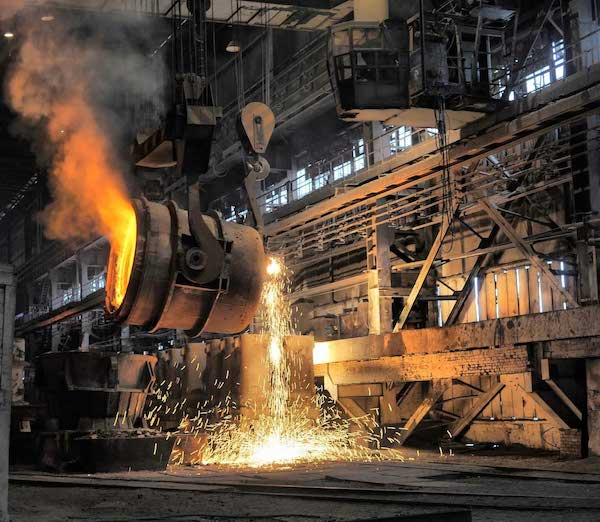
Ceramic Injection Molding (CIM) parts offer exceptional thermal stability, wear resistance, and chemical inertness for steelmaking — from ladle linings and SEN nozzles to thermocouple protection tubes and oxygen sensors. Khat Group delivers engineered ceramic components for the most demanding metallurgical applications.